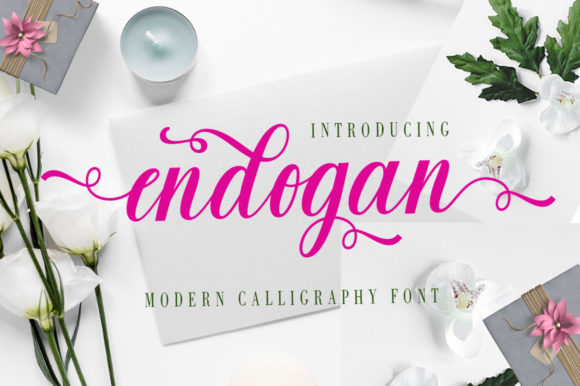
Rosela: A Friendly Handwritten Font for Web Design
In the crowded landscape of digital interfaces, finding a typeface that balances personality with usability is often the most challenging part of a project. As designers, we constantly search for fonts that can elevate a brand without sacrificing readability or conversion rates. Rosela emerges as a standout solution in this quest. It is a cute and casual handwritten font with an incredibly friendly feel, designed specifically to bring warmth and approachability to modern web experiences. Unlike rigid geometric sans serifs or overly formal serif fonts, Rosela introduces a human touch that resonates deeply with users scrolling through landing pages, online stores, and app screens.
The Visual Personality of Rosela in Digital Layouts
When evaluating a new script font for a client project, I look for versatility above all else. Rosela delivers this through its gorgeous swashes and ligatures. These decorative elements are not merely aesthetic flourishes; they serve a functional purpose in establishing visual hierarchy. In a hero section, a headline set in Rosela immediately draws the eye, creating a focal point that feels organic rather than manufactured. The handwritten style mimics the natural rhythm of pen on paper, which psychologically lowers barriers between the brand and the user.
This friendly aesthetic makes Rosela particularly effective for brands that want to appear accessible and trustworthy. Whether you are designing a coaching website, a boutique online store, or a creative portfolio, the tone of your typography sets the stage for the entire user experience. Rosela communicates care and attention to detail. Its curves and loops suggest a personal connection, making it ideal for sectors where human interaction is key, such as wellness, education, lifestyle blogs, and small business services. In contrast to sterile corporate templates, Rosela injects life into static layouts, transforming standard content sections into engaging narratives.
Optimizing Readability and Visual Hierarchy
A common concern when integrating a script font into web design is legibility. While display fonts like Rosela are powerful, they require strategic placement to ensure they support rather than hinder scanning behavior. My approach is to reserve Rosela for high-impact areas where brevity is maintained. This includes hero titles, section headings, call-to-action buttons, and short phrases used in banners. For body copy, long-form text, or dense data tables, Rosela should be paired with a clean sans serif font or a neutral serif font to maintain readability across different screen sizes.
Visual hierarchy relies on contrast. By using Rosela for headlines and a simple typeface for body text, you create a clear distinction that guides the user's eye down the page. The swashes in Rosela can act as subtle directional cues, leading the reader from a title to a subheading or a primary button. However, caution is necessary on mobile devices. On smaller screens, intricate ligatures can sometimes blur if the font size is too small. Therefore, ensuring adequate line height and letter spacing is crucial when implementing Rosela in responsive layouts. Testing the font at various viewport widths ensures that the decorative elements remain crisp and do not compromise the user interface.
Strategic Applications Across Digital Products
The versatility of Rosela extends beyond simple headers. It is a robust tool for creating consistent online identity across multiple touchpoints. Consider a product landing page for a handmade craft shop. Using Rosela for the main value proposition creates an immediate sense of authenticity. The font suggests that real people made these products, fostering trust before the user even scrolls past the fold. Similarly, in a course sales page, Rosela can be used to highlight testimonials or key benefits, breaking up walls of text and adding emotional weight to the copy.
For SaaS founders and digital product creators, Rosela offers a unique opportunity to soften the typically technical nature of software. Used sparingly in dashboard welcome messages or notification badges, it can make a complex application feel more intuitive and friendly. In email marketing campaigns and social media graphics, Rosela serves as a powerful branding asset. A logo design featuring Rosela stands out against the backdrop of minimalist logos, offering a distinct mark that is memorable and warm. Even in packaging design mockups displayed on an e-commerce site, the font reinforces the premium quality of the physical product.
Mastering Font Pairing for Modern Typography
To maximize the impact of Rosela, thoughtful font pairing is essential. The goal is to complement the script's fluidity without competing for attention. A strong pairing strategy involves selecting a sans serif font with open counters and a neutral weight for body text. This combination ensures that the decorative nature of Rosela shines in headlines while the supporting text remains highly readable. For a more editorial or sophisticated look, pairing Rosela with a classic serif font can create a dynamic tension between traditional elegance and modern playfulness.
When building a brand kit, consistency is key. If Rosela is chosen for the primary display font, it should be applied consistently across all web assets, from the navigation menu items to footer signatures. However, avoid overusing the swashes in every instance. Sometimes, a cleaner version of the character set works better for UI elements like tabs or filters. Checking the included styles and alternates within the font file allows designers to customize the output for specific contexts. Many premium fonts now offer webfont formats optimized for performance, ensuring that the inclusion of Rosela does not negatively impact page load times—a critical factor for SEO and user retention.
Licensing and Commercial Implementation
As professionals managing client projects and digital assets, understanding commercial font licensing is non-negotiable. Rosela is available as a commercial font, meaning it can be legally used in websites, online stores, landing pages, and digital templates intended for public consumption. Before deploying the font on a live server, always verify the license terms regarding the number of domains, user counts, or seat restrictions. Using a font without the proper license can lead to legal complications and damage professional credibility.
For agencies and freelancers, purchasing a license that covers unlimited web projects is often the most cost-effective route. This ensures that Rosela can be integrated into diverse brand identities without restriction. Additionally, checking for multilingual support is vital for global clients. If the target audience spans multiple regions, confirming that Rosela supports the necessary character sets prevents awkward gaps in text rendering. By adhering to these best practices, designers can confidently leverage Rosela to create stunning, compliant, and conversion-focused digital experiences.
Ultimately, Rosela represents more than just a collection of characters; it is a design tool that bridges the gap between digital efficiency and human connection. Its ability to convey friendliness while maintaining structural integrity makes it a valuable addition to any designer's toolkit. Whether you are crafting a high-converting landing page or building a beloved brand identity, Rosela provides the perfect balance of style and substance needed to stand out in today's digital marketplace.