Lily Bloom Font: A Crafter’s Dream Typeface
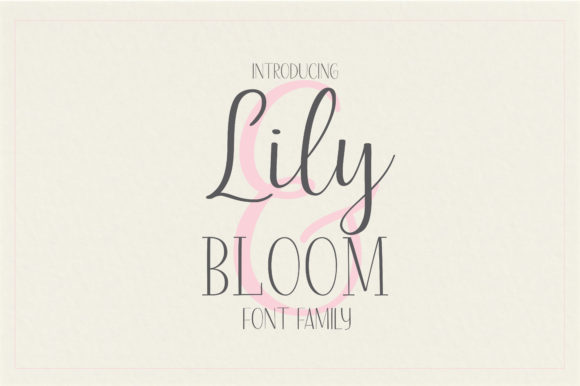
As a maker who spends hours perfecting the curve of a vinyl cut or adjusting the kerning on a printable invitation, I know that typography is not just about reading words. It is about feeling them. When you are building a brand identity for your handmade shop or designing a heartfelt gift, the right typeface does the heavy lifting. This is why Lily Bloom has become a staple in my digital design toolkit. It is not merely a single font; it is a comprehensive family of three distinct handcrafted styles—a script, a sans serif, and a serif—that work together to create cohesive, professional, and emotionally resonant designs.
For those of us selling on platforms like Etsy or running local boutique stalls, consistency is key. Lily Bloom offers the versatility needed to maintain a strong brand voice across different mediums, from delicate wedding stationery to bold farmhouse signs. Whether you are a Cricut enthusiast, a Silhouette user, or a digital printable creator, this collection provides the flexibility to tackle almost any project without needing to hunt for multiple disparate fonts.
The Visual Personality of Lily Bloom
The charm of Lily Bloom lies in its balance. The script component brings a touch of organic elegance, reminiscent of modern calligraphy but with enough structure to remain legible at smaller sizes. It feels personal and warm, perfect for conveying the handmade nature of your products. The accompanying sans serif font is clean and contemporary, providing a necessary counterpoint to the flow of the script. Meanwhile, the serif style adds a layer of traditional sophistication and authority. Together, these three styles form a complete visual language that can adapt to various aesthetics, from rustic chic to minimalist modern.
When you use a premium font like this, the perceived quality of your product increases instantly. Customers often judge the value of an item by its presentation. A poorly chosen, default system font can make a beautiful hand-poured candle look mass-produced, while a well-paired typeface elevates it to artisan status. Lily Bloom helps you achieve that polished, designer look that builds customer trust and recognition.
Practical Applications for Handmade Sellers
The true test of any creative font is its utility in real-world projects. Here is how I integrate Lily Bloom into my workflow:
- Product Packaging and Labels: For small business owners, packaging is the first physical touchpoint with a customer. I use the script style for the product name on candle labels or soap wrappers to add a personal touch, while the sans serif handles the ingredient lists and safety warnings. This ensures readability without sacrificing beauty.
- Wedding and Event Stationery: Invitation designers will appreciate the romantic flair of the script font. It works beautifully for couple names on save-the-dates, wedding welcome boards, and menu cards. Pairing it with the serif font for the event details creates a classic, high-end feel that clients love.
- Digital Printables and Planners: If you create digital downloads, such as planner pages or wall art, Lily Bloom offers excellent versatility. The sans serif is ideal for headers and organizational text, ensuring clarity, while the script can be used for motivational quotes or decorative elements that draw the eye.
- Seasonal Crafts and Signs: From holiday tote bags to farmhouse-style wooden signs, this font family adapts well. The boldness of the serif style holds up well when cut from vinyl or wood, making it suitable for larger display pieces where impact is necessary.
Readability and Technical Considerations
One common mistake crafters make is choosing a font that looks beautiful on screen but fails in production. With Lily Bloom, readability remains a priority. However, when using the script style for cutting machines like Cricut or Silhouette, always check the connections between letters. While handcrafted fonts often feature ligatures and swashes for authenticity, these can sometimes create fragile bridges in vinyl cuts. For small stickers or intricate designs, consider simplifying the text or using the sans serif variant to ensure durability and ease of weeding.
For printed materials, such as greeting cards or business tags, test your prints at actual size. A font that looks clear on a 27-inch monitor may become illegible on a 2-inch jewelry tag. The sans serif and serif styles in the Lily Bloom family are particularly robust for small-scale text, maintaining their shape and clarity even at reduced point sizes.
Mastering Font Pairing with Lily Bloom
The greatest advantage of having a three-font family is the ability to create harmonious pairings without guesswork. Since the styles were designed to complement each other, they share similar proportions and visual weights. Here are some effective pairing strategies:
- Script + Sans Serif: Use the script for headlines or focal points, such as a bride’s name or a product title. Use the sans serif for body text, dates, and locations. This combination is modern, clean, and highly readable.
- Serif + Sans Serif: Ideal for more formal or traditional designs. Use the serif for main titles to convey elegance and the sans serif for supporting information. This works well for boutique branding and professional business cards.
- Script + Serif: For a vintage or romantic aesthetic, pair the flowing script with the structured serif. This combination evokes a sense of nostalgia and craftsmanship, perfect for heritage-style brands or antique-themed events.
When designing logos or brand identities, consistency is crucial. Stick to one primary pairing for your core materials to build brand recognition. You can introduce the third style sparingly for special accents or seasonal promotions, but keeping your primary palette limited helps customers associate specific typographic choices with your brand.
Licensing and Commercial Use
Before incorporating any new typeface into your commercial workflow, it is essential to understand the licensing terms. Lily Bloom is designed with creators in mind, but always verify the specific license included with your purchase from Script Amp. Generally, premium fonts allow for the creation of physical end-products, such as printed invitations, packaged goods, and signage, which you then sell to customers. However, restrictions may apply to embedding the font file itself in digital templates or redistributing the font software. Always read the license agreement carefully to ensure compliance, especially if you are creating editable templates for other designers or large-scale merchandise runs.
In the world of handmade business, your tools matter. Lily Bloom is more than just a set of characters; it is a resource that empowers you to communicate your brand’s story with clarity and style. By leveraging its three distinct styles, you can create designs that are not only visually appealing but also functionally sound, ensuring that your handmade products stand out in a crowded marketplace.